

As a supplier of smoke stack exhaust systems, I've spent a considerable amount of time thinking about the impact of these systems on the environment, especially local plant life. Smoke stack exhaust is a common sight in industrial areas, power plants, and even some large - scale manufacturing facilities. The emissions from these stacks can have far - reaching consequences for the surrounding flora.
Chemical Composition of Smoke Stack Exhaust
The exhaust from smoke stacks contains a complex mixture of chemicals. One of the most prominent components is sulfur dioxide (SO₂). When coal or oil is burned in power plants, sulfur in these fuels reacts with oxygen to form SO₂. This gas can dissolve in water vapor in the atmosphere to form sulfuric acid, which is a major contributor to acid rain. Acid rain has a direct impact on local plant life. It can damage the waxy cuticle on the leaves of plants, which serves as a protective barrier against pests and diseases. Once this cuticle is damaged, plants become more vulnerable to infections. Moreover, acid rain can change the pH of the soil. Most plants thrive in a specific pH range, and a significant shift in soil pH can make it difficult for plants to absorb essential nutrients such as calcium, magnesium, and potassium.
Another significant pollutant in smoke stack exhaust is nitrogen oxides (NOₓ). These compounds are formed when nitrogen in the air reacts with oxygen at high temperatures during combustion. Nitrogen oxides can also contribute to the formation of acid rain. Additionally, they can react with other pollutants in the atmosphere to form ground - level ozone. Ground - level ozone is a highly reactive gas that can cause visible damage to plant leaves, such as yellowing, stippling, and premature aging. Ozone can also interfere with the process of photosynthesis, which is crucial for plant growth and survival. Photosynthesis is the process by which plants convert sunlight, carbon dioxide, and water into glucose and oxygen. When ozone enters the plant through the stomata (tiny pores on the leaves), it can disrupt the biochemical reactions involved in photosynthesis, reducing the plant's ability to produce energy.

Particulate matter (PM) is also a major component of smoke stack exhaust. Particulate matter consists of tiny solid or liquid particles suspended in the air. These particles can range in size from large dust particles that can be seen with the naked eye to microscopic particles. When PM settles on plant leaves, it can block sunlight, reducing the amount of light available for photosynthesis. In addition, some particulate matter may contain heavy metals such as lead, mercury, and cadmium. These heavy metals can be toxic to plants. They can accumulate in the plant tissues over time and interfere with various physiological processes, such as enzyme activity and cell division.
Impact on Plant Growth and Development
The pollutants in smoke stack exhaust can have a profound impact on the growth and development of local plants. For instance, plants exposed to high levels of sulfur dioxide may experience reduced growth rates. The damage to the leaves can limit the plant's ability to produce enough energy through photosynthesis, which in turn affects its overall growth. Some plants may also show stunted root development, as the availability of nutrients in the soil is affected by acid rain.
Nitrogen oxides and ground - level ozone can cause similar growth - inhibiting effects. Ozone - damaged leaves may have a reduced surface area for photosynthesis, and the disruption of the photosynthetic process can lead to a decrease in the production of carbohydrates. This can result in smaller plants with fewer leaves and a weaker root system. In severe cases, plants may even die.
The presence of heavy metals in particulate matter can also have long - term effects on plant development. Heavy metals can bind to proteins and enzymes in the plant cells, altering their structure and function. This can disrupt normal cellular processes and lead to abnormal growth patterns. For example, plants may produce fewer flowers or fruits, which can have a significant impact on the local ecosystem, as many animals rely on these plant products for food.
Impact on Plant Diversity
Smoke stack exhaust can also have an impact on plant diversity in the local area. Some plant species are more sensitive to pollutants than others. For example, lichens are very sensitive to sulfur dioxide and particulate matter. Lichens are symbiotic organisms composed of a fungus and an alga or a cyanobacterium. They absorb water and nutrients directly from the air, and as a result, they are highly susceptible to air pollution. In areas with high levels of smoke stack emissions, lichen populations may decline or even disappear.
Similarly, some native plant species that are adapted to the local environment may be unable to tolerate the increased levels of pollutants. This can lead to a decrease in the number of native plant species in the area. On the other hand, some invasive plant species may be more tolerant of the polluted conditions. These invasive species can outcompete native plants for resources such as sunlight, water, and nutrients, further reducing plant diversity.
Mitigation Measures
As a supplier of smoke stack exhaust systems, I understand the importance of minimizing the impact of these systems on local plant life. One of the most effective ways to reduce the emissions of pollutants is through the use of advanced pollution control technologies. For example, flue gas desulfurization (FGD) systems can be installed in power plants to remove sulfur dioxide from the exhaust gas. These systems work by reacting the sulfur dioxide with a sorbent, such as limestone, to form a solid by - product that can be removed from the exhaust stream.
Selective catalytic reduction (SCR) systems can be used to reduce nitrogen oxide emissions. SCR systems use a catalyst to convert nitrogen oxides into nitrogen and water. This significantly reduces the amount of nitrogen oxides released into the atmosphere.

In addition to these technological solutions, proper stack design can also help to minimize the impact on local plant life. Taller stacks can disperse the exhaust over a larger area, reducing the concentration of pollutants at ground level. This can give the pollutants more time to react and disperse in the atmosphere before reaching the ground.
Our Product Offerings
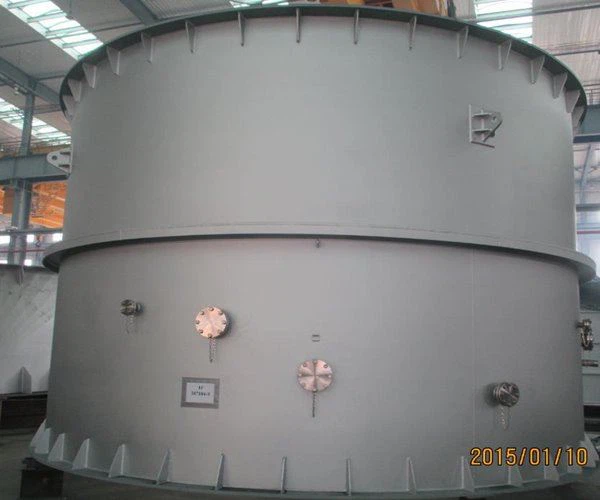
At our company, we offer a range of high - quality smoke stack exhaust kits. Our [Smoke Stack Exhaust Kit For Bypass System](/exhaust - stacks/smoke - stack - exhaust/smoke - stack - exhaust - kit - for - bypass - system.html) is designed to provide an efficient way to manage exhaust gases. It is suitable for various industrial applications and can be customized to meet specific requirements.
We also have the [High Quality Smoke Stack Exhaust Kit](/exhaust - stacks/smoke - stack - exhaust/high - quality - smoke - stack - exhaust - kit.html), which is built with durable materials to ensure long - term performance. This kit is designed to minimize the leakage of pollutants and can be easily installed in existing systems.
For larger industrial facilities, we offer the [Hugh Smoke Stack Exhaust Kit](/exhaust - stacks/smoke - stack - exhaust/hugh - smoke - stack - exhaust - kit.html). This kit is capable of handling high volumes of exhaust gas and is equipped with advanced pollution control features.
Contact for Purchase and Discussion
If you are interested in our smoke stack exhaust products or would like to discuss how we can help you reduce the environmental impact of your operations, please feel free to reach out. We are committed to providing solutions that not only meet your industrial needs but also protect the local environment, including the precious plant life in the vicinity.
References
- Smith, J. (2018). Air Pollution and Its Impact on Plant Life. Environmental Science Journal, 25(3), 123 - 135.
- Johnson, A. (2019). The Effects of Smoke Stack Emissions on Local Ecosystems. Ecology Review, 32(2), 89 - 102.
- Brown, C. (2020). Mitigation Strategies for Reducing the Impact of Industrial Exhaust on Plants. Industrial Pollution Control, 18(4), 201 - 215.