

When considering the installation of a Smoke Stack Exhaust Kit on a turbocharged engine, there are numerous factors that need to be carefully evaluated. As a supplier of Smoke Stack Exhaust Kits, I've witnessed firsthand the impact of these kits on turbocharged engines. In this blog post, I'll delve into the key considerations that you should keep in mind before making a decision.
Compatibility with the Turbocharged Engine
One of the primary considerations is the compatibility of the Smoke Stack Exhaust Kit with the specific turbocharged engine. Turbocharged engines operate under high pressures and temperatures, and the exhaust system needs to be able to handle these conditions. Different engines have different exhaust flow rates, backpressure requirements, and mounting configurations.
For instance, a high - performance turbocharged engine in a sports car will have a much higher exhaust flow rate compared to a turbocharged diesel engine in a commercial truck. The Smoke Stack Exhaust Kit must be designed to match the engine's exhaust characteristics. If the kit restricts the exhaust flow too much, it can lead to increased backpressure. High backpressure can cause a loss of engine power, overheating of the turbocharger, and even damage to the engine components over time.
On the other hand, if the exhaust kit is too large and the exhaust flow is too unrestricted, it can disrupt the proper functioning of the turbocharger. The turbocharger relies on a certain amount of exhaust pressure to spin the turbine and compress the intake air. An improper exhaust setup can result in a "turbo lag," where there is a delay in the turbocharger's response when the driver accelerates.
Material and Construction
The material and construction of the Smoke Stack Exhaust Kit are crucial for its performance and durability. Turbocharged engines generate extremely high temperatures, especially in the exhaust system. Therefore, the exhaust kit should be made from high - quality materials that can withstand these temperatures without warping, cracking, or corroding.
Stainless steel is a popular choice for exhaust kits due to its excellent heat resistance and corrosion protection. It can maintain its structural integrity even under the harsh conditions of a turbocharged engine's exhaust system. The thickness of the steel also matters. A thicker gauge steel will provide better durability and insulation, reducing the amount of heat transferred to the surrounding components.
In addition to the material, the construction of the exhaust kit is important. Welds should be strong and well - done to prevent leaks. Poorly welded joints can lead to exhaust leaks, which not only reduce the efficiency of the engine but can also be a safety hazard due to the release of toxic exhaust gases.
Noise Regulations
Noise is another significant consideration when using a Smoke Stack Exhaust Kit on a turbocharged engine. Turbocharged engines are already quite noisy, and adding a smoke stack exhaust can potentially increase the noise level even further. Different regions have different noise regulations, and it's essential to ensure that the exhaust kit complies with these regulations.
Some Smoke Stack Exhaust Kits are designed with built - in mufflers or silencers to reduce the noise output. These mufflers work by absorbing and dissipating the sound energy of the exhaust gases. When choosing a kit, it's important to consider the noise reduction capabilities and whether they meet the local requirements.
If the exhaust system is too noisy, it can result in fines and citations from local authorities. Moreover, excessive noise can also be a nuisance to other road users and the general public.
Performance Enhancement
One of the main reasons for installing a Smoke Stack Exhaust Kit on a turbocharged engine is to enhance its performance. A well - designed exhaust kit can improve the engine's power output, torque, and fuel efficiency.
By reducing the backpressure in the exhaust system, the engine can expel the exhaust gases more easily. This allows the engine to "breathe" better, resulting in increased power and torque. Additionally, a more efficient exhaust system can also improve the engine's fuel efficiency by reducing the amount of energy wasted in pushing the exhaust gases out.
However, it's important to note that not all Smoke Stack Exhaust Kits will provide the same level of performance enhancement. The design of the exhaust system, including the diameter of the pipes, the shape of the bends, and the presence of any restrictions, can all affect the performance. It's crucial to choose a kit that is specifically designed to optimize the performance of the turbocharged engine.
Installation and Maintenance
The installation process of a Smoke Stack Exhaust Kit can be complex, especially for turbocharged engines. It's recommended to have the kit installed by a professional mechanic who has experience working with turbocharged engines and exhaust systems. A proper installation ensures that the exhaust kit is securely attached, there are no leaks, and the system is properly aligned.
Maintenance is also an important aspect to consider. The exhaust system is exposed to high temperatures, dirt, and moisture, which can cause wear and tear over time. Regular inspections should be carried out to check for any signs of damage, such as rust, cracks, or loose connections. Any issues should be addressed promptly to prevent further damage to the engine and the exhaust system.
Industry - Specific Considerations
For industrial applications, there are additional considerations when using a Smoke Stack Exhaust Kit For Industry. Industrial turbocharged engines often operate continuously for long periods, and the exhaust system needs to be able to handle this heavy - duty use.
In industrial settings, there may also be stricter environmental regulations regarding the emission of pollutants. The Smoke Stack Exhaust Kit should be designed to meet these regulations, which may include the use of advanced emission control technologies such as catalytic converters or particulate filters.
High - Capacity Requirements
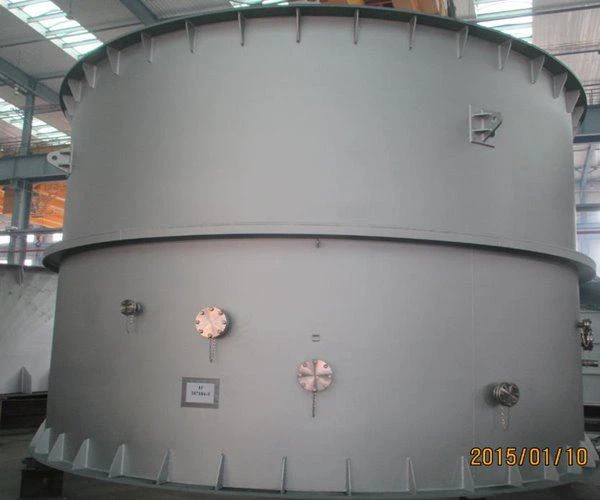
In some cases, especially for large - scale industrial or heavy - duty applications, a Hugh Smoke Stack Exhaust Kit may be required. These kits are designed to handle the high - volume exhaust flow of large turbocharged engines.
When choosing a high - capacity Smoke Stack Exhaust Kit, it's important to ensure that it can provide sufficient ventilation and pressure relief. The size and height of the smoke stack can also affect its performance. A taller stack can provide better dispersion of the exhaust gases, reducing the concentration of pollutants at ground level.
Cost - Benefit Analysis
Finally, a cost - benefit analysis is essential when considering a Smoke Stack Exhaust Kit for a turbocharged engine. The cost of the kit itself, including the purchase price, installation costs, and maintenance costs, should be weighed against the benefits it provides, such as performance enhancement, compliance with regulations, and durability.

In some cases, the initial investment in a high - quality Smoke Stack Exhaust Kit may be higher, but it can result in long - term savings due to improved engine performance and reduced maintenance requirements.
In conclusion, using a Smoke Stack Exhaust Kit on a turbocharged engine requires careful consideration of various factors, including compatibility, material, noise regulations, performance enhancement, installation, maintenance, industry - specific requirements, and cost - benefit analysis. As a supplier of Smoke Stack Exhaust Kits, we are committed to providing high - quality products that meet the diverse needs of our customers. If you're interested in learning more about our products or discussing your specific requirements, please feel free to contact us for a procurement consultation.
References
- Heywood, J. B. (1988). Internal Combustion Engine Fundamentals. McGraw - Hill.
- Crolla, D. A. (2001). The Automotive Chassis: Engineering Principles. Butterworth - Heinemann.
- Society of Automotive Engineers (SAE). Various standards related to exhaust systems and turbocharged engines.