

Yo, what's up everyone! I'm part of a Gas Turbine Diverter Damper supplier crew, and today I wanna chat about the performance improvements we can expect from a new - generation gas turbine diverter damper.
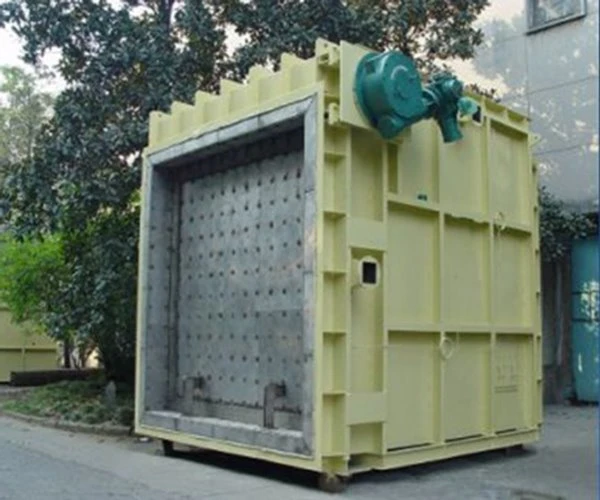
First off, let's quickly understand what a gas turbine diverter damper is. It's a crucial component in gas turbine systems. Its main job is to control the flow of exhaust gases, directing them either to a specific part of the system like a heat recovery steam generator or out to the atmosphere. This control is super important for the overall efficiency and functionality of the gas turbine setup.

Enhanced Flow Control
One of the major improvements we're looking at with the new - generation dampers is in flow control. Older dampers often had limitations in terms of how precisely they could regulate the gas flow. The new ones, though, are designed with advanced aerodynamics in mind. They have better - shaped blades and optimized internal structures. This allows for a much more accurate and smooth flow of exhaust gases.
For example, in a traditional damper, there might be some turbulence when the gas flow changes direction. This turbulence can cause energy losses and uneven pressure distribution. But the new - gen dampers are engineered to minimize these issues. They can adjust the flow rate more precisely, whether it's a small adjustment during normal operation or a rapid change in case of an emergency shutdown. This kind of fine - tuned control means that the gas turbine can operate more efficiently, getting the most out of the fuel it burns.
You can learn more about the industry aspects related to this at Diverter Damper Industry.
Higher Durability
Another key area of improvement is durability. Gas turbine environments are tough. The exhaust gases are hot, often containing corrosive elements and particulate matter. Older dampers would sometimes wear out quickly due to the harsh conditions. The new - generation dampers are made from better materials.
We're using high - grade alloys and advanced coatings that can withstand the high temperatures and corrosive effects. These materials are also more resistant to erosion from the particulate matter in the exhaust gases. So, the dampers last longer, which is great news for operators. They don't have to replace the dampers as often, reducing maintenance costs and downtime.
Imagine having a damper that needs to be replaced every few months because it's worn out. That's a big hassle and expense. With the new - generation dampers, we're talking about extending the service life by several years. This not only saves money but also ensures that the gas turbine system can run continuously without frequent interruptions.
Faster Response Time
In a gas turbine system, quick response times are crucial. When there's a change in the operating conditions, like a sudden increase in power demand or a need to switch the exhaust gas flow path, the diverter damper needs to act fast. The new - generation dampers are designed to have much faster response times compared to their predecessors.
They use advanced actuators and control systems. These actuators can move the damper blades quickly and accurately. For instance, if there's an emergency situation where the exhaust gases need to be redirected immediately, the new damper can do it in a matter of seconds. This rapid response helps in maintaining the stability and safety of the gas turbine system.
If you're interested in a type of damper that can offer good response in some cases, check out Electric Diverter Damper.
Improved Sealing
Sealing is a big deal in gas turbine diverter dampers. A poor seal can lead to gas leakage, which not only wastes energy but can also be a safety hazard. The new - generation dampers have better sealing mechanisms.
They use advanced gasket materials and sealing designs. These gaskets are more flexible and can maintain a tight seal even under high - pressure and high - temperature conditions. The sealing designs are also optimized to prevent any gaps or leaks around the damper blades. This means that the exhaust gases are contained within the intended flow path, maximizing the efficiency of the gas turbine system.
Lower Noise Levels
Noise pollution is an important consideration, especially in areas where gas turbines are installed near residential or commercial areas. The new - generation gas turbine diverter dampers are designed to operate more quietly.
The improved aerodynamics and better - fitting components reduce the noise generated during the operation of the damper. When the gas flows smoothly through the damper, there's less turbulence and vibration, which in turn results in lower noise levels. This is a win - win situation for both the operators of the gas turbine and the surrounding community.
Compatibility with Advanced Control Systems
Modern gas turbine systems are increasingly being integrated with advanced control systems. These systems use sensors and algorithms to optimize the performance of the turbine. The new - generation diverter dampers are designed to be fully compatible with these advanced control systems.
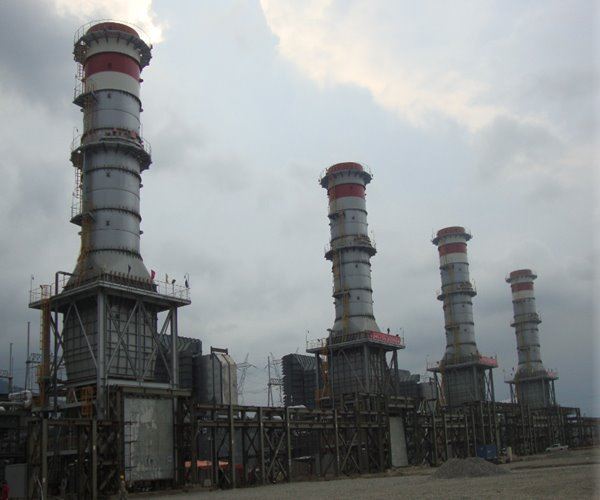
They can communicate seamlessly with the central control unit, receiving and executing commands in real - time. This integration allows for more intelligent control of the damper, adapting to the changing operating conditions of the gas turbine. For example, if the control system detects a change in the gas composition or temperature, it can adjust the damper settings accordingly to ensure optimal performance.
Cost - effectiveness in the Long Run
While the initial cost of a new - generation gas turbine diverter damper might be a bit higher than the older models, it's a cost - effective choice in the long run. The improved performance in terms of efficiency, durability, and reduced maintenance means that the overall cost of ownership is lower.
Operators save money on fuel due to the better flow control and sealing. They also save on maintenance costs because the dampers last longer and require fewer repairs. In addition, the reduced downtime means that the gas turbine can generate more power over its lifespan, increasing the revenue for the operators.
If you want to know more about the industry trends and the OEM side of things, head over to OEM Diverter Damper Industry.
Conclusion
So, there you have it, folks! The new - generation gas turbine diverter dampers offer a whole bunch of performance improvements. From better flow control and higher durability to faster response times and lower noise levels, these dampers are a game - changer for the gas turbine industry.
If you're in the market for a gas turbine diverter damper, I highly recommend considering the new - generation models. They'll not only improve the performance of your gas turbine system but also save you money in the long run. Whether you're an operator of a large - scale power plant or managing a smaller gas turbine installation, these dampers can make a big difference.
If you're interested in learning more or starting a procurement discussion, feel free to reach out. We're here to help you find the best diverter damper solution for your needs.
References
- "Gas Turbine Handbook: Principles and Practices" by Meherwan P. Boyce
- Industry reports on gas turbine components and their performance improvements.