

As a supplier of diverter dampers, one of the most frequently asked questions we encounter is about the minimum air velocity required for a diverter damper to function properly. This question is crucial as it directly impacts the efficiency and reliability of ventilation, exhaust, and other air - handling systems where diverter dampers are employed.
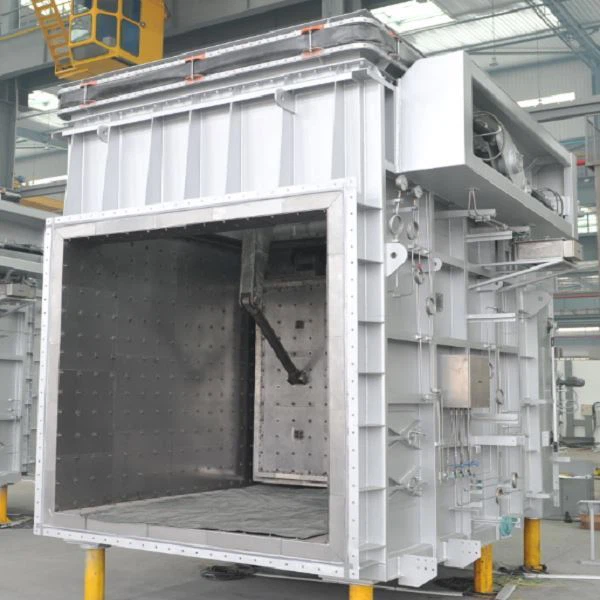
Understanding Diverter Dampers
Before delving into the minimum air velocity, it's essential to understand what diverter dampers are. Diverter dampers are used to redirect the flow of air or gas in a duct system. They can switch the flow between different branches of a duct, enabling systems to operate more flexibly. For example, in an industrial ventilation system, a diverter damper can direct the exhaust air either to a pollution control unit or straight to the outside, depending on the operational requirements.
There are various types of diverter dampers available in the market, such as Bypass Damper, Fire - proof Duct Diverter Damper, and Duct Diverter Damper. Each type has its own unique design and application scenarios, but they all share the common function of diverting airflow.
Factors Affecting the Minimum Air Velocity
The minimum air velocity required for a diverter damper to function properly is influenced by several factors:
Damper Design
The physical design of the diverter damper plays a significant role. Dampers with a more streamlined design generally require lower air velocities to operate smoothly. For instance, dampers with aerodynamically shaped blades experience less resistance to airflow, allowing them to function effectively at lower velocities. On the other hand, dampers with complex or bulky structures may need higher air velocities to overcome the increased drag and ensure proper blade movement.

Blade Configuration
The number, shape, and arrangement of the damper blades also impact the minimum air velocity. Dampers with fewer blades may require less air force to move them compared to those with multiple blades. Additionally, the shape of the blades, such as flat, curved, or airfoil - shaped, affects the airflow around them. Curved or airfoil - shaped blades can reduce turbulence and require lower air velocities for proper operation.
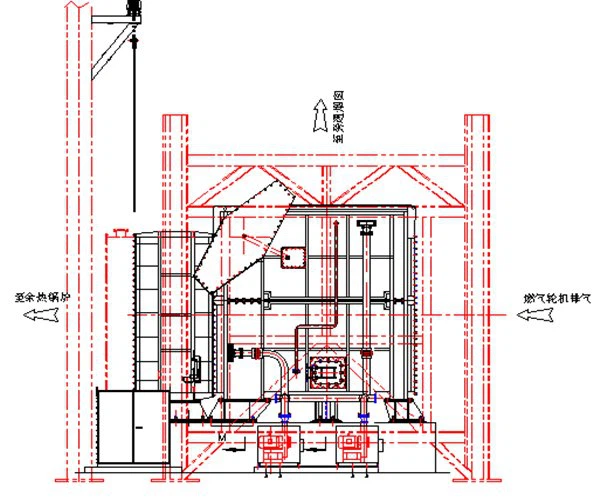
Seal Quality
A good seal is essential for the efficient operation of a diverter damper. If the damper has poor sealing, air can leak through the gaps, reducing the effectiveness of the airflow diversion. To compensate for the leakage and ensure proper blade movement, a higher air velocity may be required. Therefore, dampers with high - quality seals can function properly at lower air velocities.
System Pressure
The overall pressure in the air - handling system affects the minimum air velocity for the diverter damper. In a high - pressure system, the damper may require a lower air velocity to operate because the higher pressure provides additional force to move the blades. Conversely, in a low - pressure system, a higher air velocity may be needed to generate enough force to overcome the resistance of the damper.
Determining the Minimum Air Velocity
To determine the minimum air velocity for a specific diverter damper, several methods can be employed:
Manufacturer's Recommendations
The manufacturer of the diverter damper is the best source of information regarding the minimum air velocity. They conduct extensive testing during the design and development process to determine the optimal operating conditions for their products. The manufacturer's specifications typically include the minimum air velocity required for proper damper function, along with other important parameters such as maximum operating pressure and temperature.
Computational Fluid Dynamics (CFD) Analysis
CFD analysis is a powerful tool for predicting the airflow behavior around a diverter damper. By creating a virtual model of the damper and the surrounding duct system, engineers can simulate the airflow at different velocities and analyze the forces acting on the damper blades. CFD analysis can provide detailed information about the pressure distribution, turbulence, and flow patterns, allowing for a more accurate determination of the minimum air velocity.
Field Testing
Field testing involves installing the diverter damper in the actual air - handling system and measuring the air velocity and damper performance. This method provides real - world data and takes into account any factors that may not be fully captured in the laboratory or simulation. By gradually reducing the air velocity and monitoring the damper's operation, the minimum air velocity required for proper function can be determined.
Typical Minimum Air Velocity Ranges
The minimum air velocity for diverter dampers can vary widely depending on the factors mentioned above. In general, for small - scale residential or commercial ventilation systems, the minimum air velocity may range from 3 to 5 m/s. These systems typically have lower pressure requirements and smaller - sized dampers.
In industrial applications, where larger dampers and higher - pressure systems are common, the minimum air velocity can be higher, usually ranging from 5 to 10 m/s or even more. Industrial processes often require more precise control of airflow, and higher air velocities may be necessary to ensure reliable damper operation.
Importance of Maintaining the Minimum Air Velocity
Maintaining the minimum air velocity is crucial for the proper functioning of the diverter damper and the overall performance of the air - handling system. If the air velocity is too low, the damper blades may not move smoothly, leading to incomplete airflow diversion. This can result in reduced system efficiency, uneven air distribution, and potential damage to the damper over time.
On the other hand, if the air velocity is too high, it can cause excessive wear and tear on the damper blades and other components, increase energy consumption, and generate excessive noise. Therefore, it is essential to ensure that the air velocity in the system is within the recommended range for the diverter damper.
Conclusion
As a diverter damper supplier, we understand the importance of providing our customers with accurate information about the minimum air velocity required for our products. By considering factors such as damper design, blade configuration, seal quality, and system pressure, we can help our customers select the right damper for their specific applications and ensure optimal performance.
If you are in the process of designing or upgrading an air - handling system and need a diverter damper, we invite you to contact us for more information. Our team of experts can assist you in determining the minimum air velocity requirements for your system and recommend the most suitable damper for your needs. Whether you need a Bypass Damper, Fire - proof Duct Diverter Damper, or Duct Diverter Damper, we have the expertise and products to meet your requirements.
References
- ASHRAE Handbook - HVAC Systems and Equipment. American Society of Heating, Refrigerating and Air - Conditioning Engineers.
- Idelchik, I. E. (2007). Handbook of Hydraulic Resistance. CRC Press.
- Cengel, Y. A., & Cimbala, J. M. (2014). Fluid Mechanics: Fundamentals and Applications. McGraw - Hill Education.