

As a supplier of Hydraulic Diverter Dampers, I understand the significance of reducing the wear of these crucial components. Hydraulic Diverter Dampers play a vital role in various industrial applications, such as in the Diverter Damper Industry, where they are used to control the flow of fluids and ensure the smooth operation of systems. Excessive wear can lead to decreased performance, increased maintenance costs, and even system failures. In this blog post, I will share some effective strategies to reduce the wear of Hydraulic Diverter Dampers.
Understanding the Causes of Wear
Before we can discuss how to reduce wear, it is essential to understand the common causes. Wear in Hydraulic Diverter Dampers can be attributed to several factors, including:
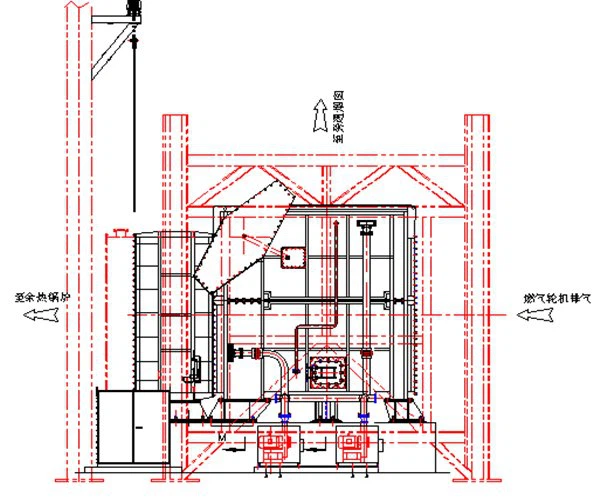
- Friction: The constant movement of the damper's components against each other generates friction, which can lead to wear over time. This is especially true in high-pressure and high-speed applications.
- Contamination: Dirt, debris, and other contaminants in the hydraulic fluid can act as abrasives, causing accelerated wear on the damper's surfaces.
- Corrosion: Exposure to moisture, chemicals, and other corrosive substances can damage the damper's materials, leading to pitting, rusting, and reduced durability.
- Improper Installation and Alignment: Incorrect installation or misalignment of the damper can cause uneven stress distribution, leading to premature wear on certain components.
- Overloading: Operating the damper beyond its rated capacity can put excessive stress on the components, leading to increased wear and potential failure.
Strategies to Reduce Wear
1. Select the Right Materials
Choosing the appropriate materials for the Hydraulic Diverter Damper is crucial for reducing wear. High-quality materials with good wear resistance, such as hardened steel, stainless steel, or advanced polymers, can significantly extend the damper's lifespan. Additionally, using materials that are compatible with the hydraulic fluid and the operating environment can help prevent corrosion and chemical degradation.
2. Maintain Proper Fluid Quality
The hydraulic fluid is the lifeblood of the Hydraulic Diverter Damper, and maintaining its quality is essential for reducing wear. Regularly check the fluid level, viscosity, and contamination level, and replace the fluid as recommended by the manufacturer. Use high-quality hydraulic filters to remove dirt, debris, and other contaminants from the fluid, and ensure that the filters are replaced at the recommended intervals.
3. Implement Proper Lubrication
Lubrication is another key factor in reducing wear. Ensure that all moving parts of the damper are properly lubricated with the appropriate lubricant. This helps reduce friction, prevent corrosion, and extend the lifespan of the components. Follow the manufacturer's recommendations for lubrication intervals and use the recommended lubricant type.

4. Control Operating Conditions
Operating the Hydraulic Diverter Damper within its rated specifications is crucial for reducing wear. Avoid overloading the damper by ensuring that the system's pressure, flow rate, and temperature are within the recommended limits. Additionally, minimize sudden changes in pressure or flow, as these can cause excessive stress on the components and lead to increased wear.
5. Regular Inspection and Maintenance
Regular inspection and maintenance are essential for detecting and addressing wear issues before they become severe. Establish a maintenance schedule and perform routine inspections of the damper, including checking for signs of wear, corrosion, and leaks. Replace any worn or damaged components promptly to prevent further damage and ensure the continued performance of the damper.
6. Proper Installation and Alignment
Proper installation and alignment of the Hydraulic Diverter Damper are crucial for reducing wear. Follow the manufacturer's installation instructions carefully and ensure that the damper is installed correctly and aligned properly. Incorrect installation or misalignment can cause uneven stress distribution, leading to premature wear on certain components.
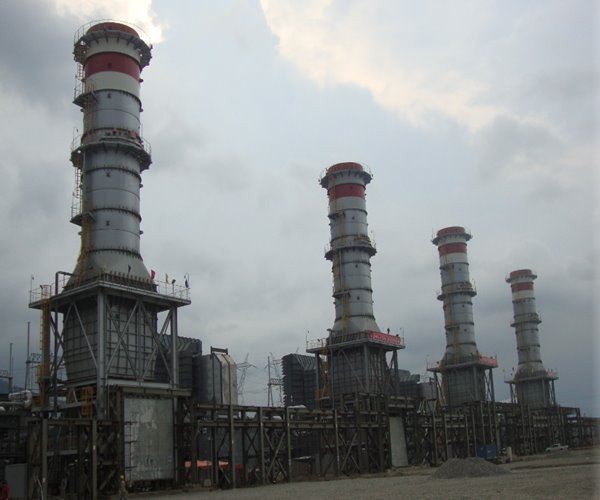
7. Use a Diverter Damper Control System in Cabinet
A Diverter Damper Control System in Cabinet can help optimize the operation of the Hydraulic Diverter Damper and reduce wear. These systems allow for precise control of the damper's position, flow rate, and pressure, ensuring that the damper operates within its optimal range. Additionally, the control system can monitor the damper's performance and detect any issues early, allowing for timely maintenance and repair.
8. Consider Using a Bypass Damper
In some applications, using a Bypass Damper can help reduce wear on the Hydraulic Diverter Damper. A Bypass Damper allows for the diversion of fluid around the main damper, reducing the load on the damper and extending its lifespan. This can be particularly useful in applications where the damper is subjected to high pressures or flow rates.
Conclusion
Reducing the wear of Hydraulic Diverter Dampers is essential for ensuring their long-term performance and reliability. By understanding the causes of wear and implementing the strategies outlined in this blog post, you can significantly extend the lifespan of your dampers, reduce maintenance costs, and improve the overall efficiency of your systems.
If you are interested in learning more about our Hydraulic Diverter Dampers or have any questions about reducing wear, please feel free to contact us for a consultation. We are committed to providing high-quality products and solutions to meet your specific needs.

References
- Manufacturer's manuals and technical documentation for Hydraulic Diverter Dampers.
- Industry standards and best practices for hydraulic system maintenance and operation.
- Research papers and articles on wear reduction in hydraulic components.