

In the realm of commercial building ventilation and air - handling systems, the question of whether a diverter damper can be used is both relevant and crucial. As a supplier of diverter dampers, I've had the privilege of exploring the ins and outs of these devices and their applications in commercial settings.
Understanding Diverter Dampers
Diverter dampers are essential components in HVAC (Heating, Ventilation, and Air - Conditioning) systems. Their primary function is to control the flow of air, gas, or other fluids by diverting it from one path to another. They are designed to be highly efficient and reliable, capable of withstanding various environmental conditions and operational demands.
There are different types of diverter dampers, each with its own unique features and applications. For instance, the [Fire - proof Duct Diverter Damper](/damper/diverter - damper/fire - proof - duct - diverter - damper.html) is specifically engineered to prevent the spread of fire and smoke through ducts. This type of damper is crucial in commercial buildings where fire safety is a top priority. It can automatically close when a fire is detected, creating a barrier that stops the fire and smoke from traveling through the ventilation system.
The [Bypass Damper](/damper/diverter - damper/bypass - damper.html) is another type of diverter damper. It is used to divert the flow of air around a particular component in the HVAC system, such as a heat exchanger. This allows for better control of the system's performance and energy efficiency. For example, when the heat exchanger is not needed, the bypass damper can redirect the air, reducing unnecessary energy consumption.
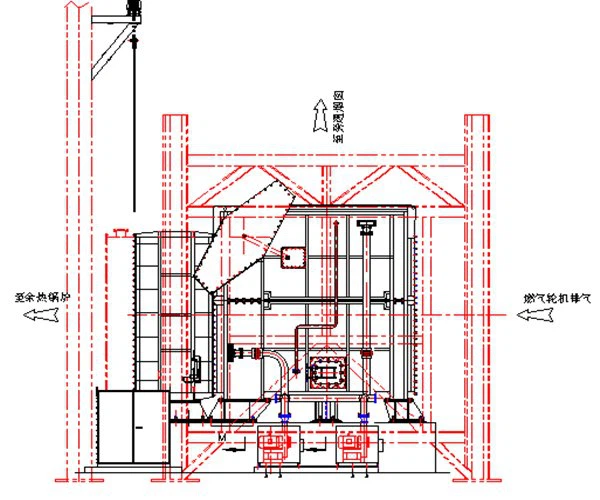
The [Diverter Damper HRSG](/damper/diverter - damper/diverter - damper - hrsg.html) is designed for use in Heat Recovery Steam Generators (HRSG). In commercial buildings with combined heat and power systems, these dampers play a vital role in optimizing the performance of the HRSG by controlling the flow of exhaust gases.
Advantages of Using Diverter Dampers in Commercial Buildings
1. Energy Efficiency
One of the most significant advantages of using diverter dampers in commercial buildings is energy efficiency. By controlling the flow of air or gas, these dampers can ensure that the HVAC system operates at its optimal level. For example, during periods of low demand, the diverter damper can reduce the amount of air being circulated, which in turn reduces the energy consumption of the fans and other components. This not only saves on energy costs but also helps to reduce the building's carbon footprint.

2. Improved Air Quality
Diverter dampers can also contribute to improved air quality in commercial buildings. They can be used to direct fresh air into the building and exhaust stale air out. By controlling the air flow, the dampers can prevent the recirculation of polluted air, ensuring that the occupants are breathing clean and healthy air. This is particularly important in large commercial buildings where there are many people and potential sources of air pollution.
3. Fire and Smoke Control
As mentioned earlier, fire - proof diverter dampers are crucial for fire and smoke control in commercial buildings. In the event of a fire, these dampers can quickly close, preventing the spread of fire and smoke through the ventilation system. This gives occupants more time to evacuate the building safely and reduces the risk of damage to the building's structure and contents.
4. System Flexibility
Diverter dampers provide flexibility to the HVAC system. They can be adjusted to meet the changing needs of the building, such as different occupancy levels, weather conditions, and operational requirements. For example, during the summer, the dampers can be adjusted to increase the flow of cool air, while in the winter, they can be adjusted to increase the flow of warm air.
Considerations for Using Diverter Dampers in Commercial Buildings
1. Size and Capacity
When selecting a diverter damper for a commercial building, it is essential to consider the size and capacity of the damper. The damper must be able to handle the volume of air or gas that needs to be diverted. A damper that is too small will not be able to handle the flow, while a damper that is too large will be inefficient and may cost more.
2. Material and Construction
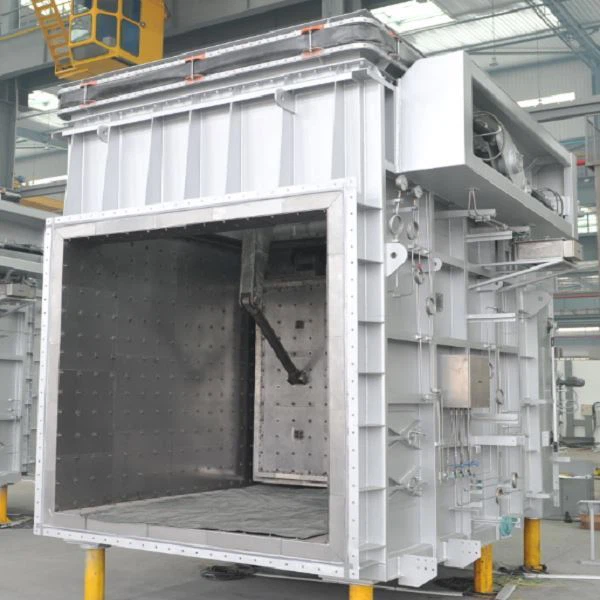
The material and construction of the diverter damper are also important considerations. The damper must be made of high - quality materials that can withstand the environmental conditions in the building. For example, in a building with high humidity, the damper should be made of corrosion - resistant materials. Additionally, the construction of the damper should be robust to ensure its long - term reliability.
3. Control System
A reliable control system is necessary for the proper operation of the diverter damper. The control system should be able to accurately adjust the position of the damper based on the input from sensors. This ensures that the damper can respond quickly to changes in the system and maintain optimal performance.
4. Maintenance
Regular maintenance is essential to keep the diverter damper in good working condition. This includes cleaning, lubricating, and inspecting the damper for any signs of wear or damage. A well - maintained damper will have a longer lifespan and will operate more efficiently.
Case Studies
Let's look at a few case studies to illustrate the effectiveness of diverter dampers in commercial buildings.
Case Study 1: A Large Office Building
In a large office building, the installation of diverter dampers in the HVAC system resulted in significant energy savings. By using bypass dampers to divert the air around the heat exchanger when it was not needed, the building was able to reduce its energy consumption by 15%. Additionally, the use of fire - proof duct diverter dampers provided an extra layer of fire safety, giving the building's occupants peace of mind.
Case Study 2: A Hospital
In a hospital, diverter dampers were used to control the air flow in different areas of the building. This helped to maintain a clean and healthy environment for patients and staff. The dampers were able to direct fresh air into patient rooms and exhaust stale air out, reducing the risk of cross - contamination.
Conclusion
In conclusion, diverter dampers can be effectively used in commercial buildings. They offer numerous benefits, including energy efficiency, improved air quality, fire and smoke control, and system flexibility. However, it is important to carefully consider factors such as size, material, control system, and maintenance when selecting and installing these dampers.
As a supplier of diverter dampers, we are committed to providing high - quality products that meet the specific needs of commercial buildings. If you are considering the use of diverter dampers in your commercial building, we encourage you to contact us for a detailed consultation. Our team of experts can help you select the right type of damper for your application and ensure its proper installation and maintenance.
References
- ASHRAE Handbook of HVAC Systems and Equipment.
- NFPA (National Fire Protection Association) Standards for Fire and Smoke Dampers.
- HVAC Design Guides for Commercial Buildings.